Category: Blogs

  • Trusted Logistics Partner and Mutual Core Values

    Trusted Logistics Partner and Mutual Core Values

    In today’s fast-paced and interconnected business landscape, the success of any venture often relies on collaboration and partnership. Among these partnerships, the relationship between a company and its logistics partner stands out as a crucial factor in achieving operational excellence and customer satisfaction. A trusted logistics partner, backed by mutual core values, can play a pivotal role in streamlining supply chains, enhancing efficiency, and fostering long-term growth.

    The Essence of a Trusted Logistics Partner:

    A trusted logistics partner goes beyond the conventional role of transporting goods from one point to another. They become an extension of your business, aligning their strategies with your goals and objectives. Such a partner is dedicated to ensuring the safe, timely, and cost-effective movement of goods, all while upholding the highest standards of professionalism and integrity.

    1. Reliability: In the world of logistics, reliability is non-negotiable. A trusted partner understands the critical nature of deadlines and commitments, and consistently delivers on promises. Whether it’s meeting delivery schedules or responding promptly to unforeseen challenges, reliability is at the core of their operations.
    2. Expertise: Logistics involves intricate planning, optimization, and risk management. A reliable partner brings their expertise to the table, offering insights, suggestions, and solutions that enhance the efficiency of your supply chain. Their industry knowledge allows them to navigate complexities and provide innovative strategies.
    3. Flexibility: Change is a constant in business. A logistics partner that can adapt to shifting requirements and unforeseen disruptions is invaluable. Flexibility ensures that your supply chain remains resilient, allowing you to respond swiftly to market changes or unexpected events.
    4. Transparency: Open communication and transparency are essential for a successful partnership. A trusted logistics partner keeps you informed about the progress of shipments, potential challenges, and any adjustments to the plan. This transparency fosters a sense of shared responsibility and accountability.
    5. Cost Efficiency: Cost optimization is a mutual goal. A reliable logistics partner seeks to minimize costs without compromising on service quality. They help you identify cost-saving opportunities while maintaining the integrity of your supply chain.

    The Power of Mutual Core Values:

    In a successful partnership, shared values serve as the foundation upon which collaboration thrives. When both your company and your logistics partner embrace mutual core values, the partnership becomes more than a transactional arrangement – it becomes a strategic alliance.

    1. Integrity: Trust is built on integrity. When both parties adhere to the highest ethical standards, trust deepens, and the partnership becomes resilient. Transparency, honesty, and accountability are all components of an integrity-driven collaboration.
    2. Customer-Centric Approach: Prioritizing the end customer’s satisfaction is a value that resonates across industries. A logistics partner that shares this value works diligently to ensure that the final product reaches the customer in optimal condition and on time.
    3. Continuous Improvement: Both your company and your logistics partner should be committed to continuous improvement. Embracing innovation and seeking ways to enhance processes, reduce waste, and increase efficiency benefits not only your operations but the partnership as well.
    4. Safety and Sustainability: Concern for the well-being of employees, communities, and the environment is a value that strengthens partnerships. A commitment to safety in operations and sustainable practices showcases a long-term perspective and responsibility toward the world we operate in.
    5. Collaboration: A partnership thrives when both parties recognize the value of collaboration. By working together, sharing insights, and jointly problem-solving, the collective strength of the partnership grows, leading to better outcomes for both companies.
  • Rail Transport Helps Shorten Transit Times

    Rail Transport Helps Shorten Transit Times

    Introduction

    In the ever-evolving landscape of transportation, rail transport stands as a steadfast pillar of efficiency and speed. While roadways and air travel often take center stage in discussions about transit, the role of rail transport in shortening transit times and fostering economic growth cannot be overlooked. From freight to passengers, rail networks have continuously evolved to offer faster, more reliable, and eco-friendly options for moving people and goods across vast distances. In this blog, we will explore how rail transport contributes to the reduction of transit times and why it remains a vital component of modern transportation systems.

    The Need for Speed: Rail Transport’s Advantage

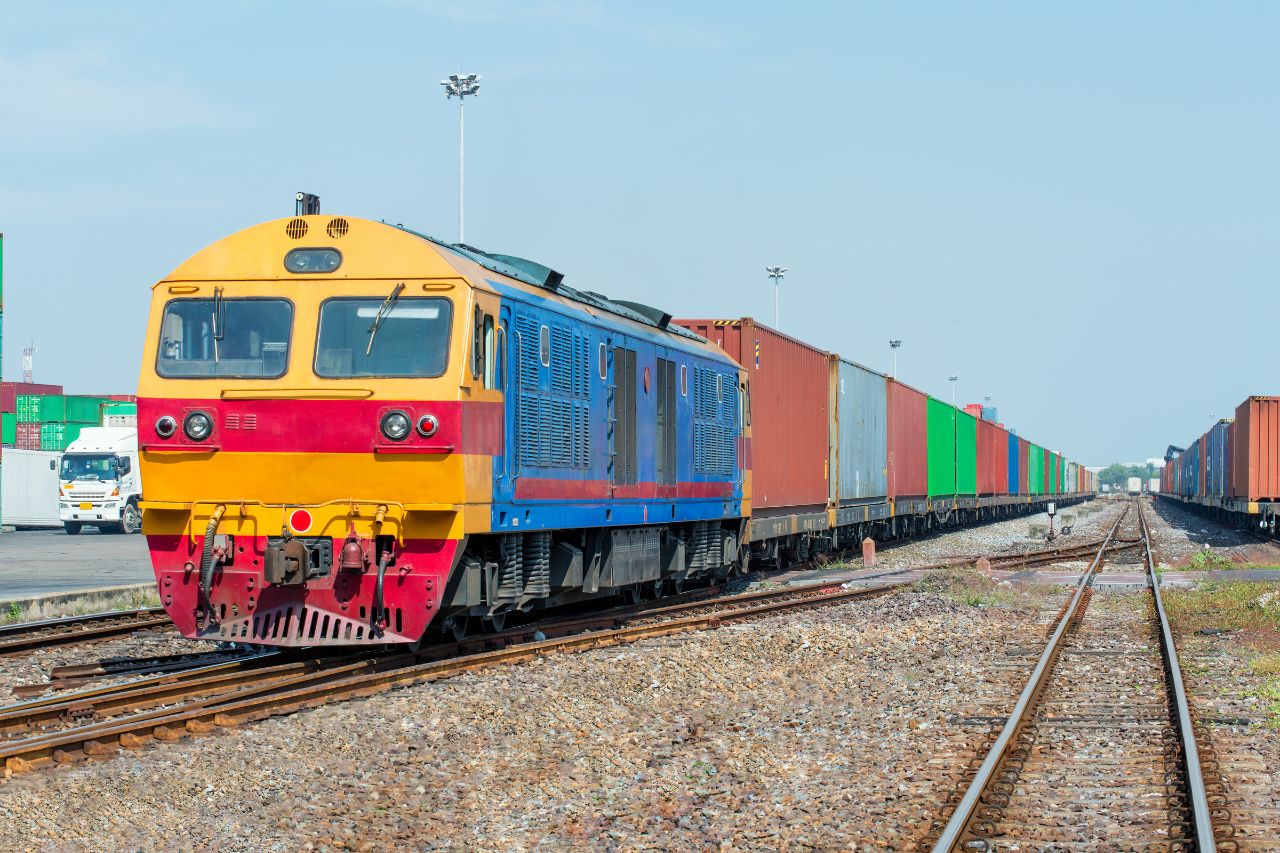
    1. Freight Transportation: When it comes to moving goods efficiently and swiftly, rail transport has a distinct advantage. Trains have the capacity to haul massive amounts of cargo over long distances, alleviating the burden on highways and reducing congestion. With advancements in technology and infrastructure, rail networks have become even more sophisticated, offering specialized freight trains that can carry perishable items, hazardous materials, and oversized goods, all of which contribute to quicker transit times and smoother logistics chains.
    2. Passenger Travel: High-speed rail has revolutionized passenger travel by offering a fast, convenient, and environmentally friendly alternative to air travel for medium distances. High-speed rail systems, such as the Shinkansen in Japan and the TGV in France, have set the standard for rapid intercity transit. These trains can reach speeds exceeding 200 mph (320 km/h), allowing travelers to move between cities in a matter of hours, often with more comfort and reliability than air travel. This not only reduces transit times but also enhances regional connectivity and stimulates tourism and business activities.

    Technological Advancements: Powering Efficiency

    1. Electrification and Energy Efficiency: Many modern rail systems have transitioned to electric power, reducing greenhouse gas emissions and dependence on fossil fuels. Electric trains provide smoother acceleration, quicker deceleration, and higher overall speeds, contributing to shorter transit times. Additionally, advancements in regenerative braking technology allow trains to convert kinetic energy into electricity, making them more energy-efficient and environmentally friendly.
    2. Automated Systems: Automation has transformed rail operations, leading to increased efficiency and improved scheduling. Automated systems can optimize train speeds, spacing, and coordination, reducing the time between trains and minimizing delays. This not only ensures a smoother transit experience but also helps to shorten overall travel times.

    Infrastructure Investments: Laying the Tracks for Speed

    1. Dedicated High-Speed Rail Lines: Countries that have heavily invested in high-speed rail networks have seen significant reductions in travel times. Dedicated high-speed rail lines, designed to accommodate fast trains and minimize disruptions, are key components of this success. These lines are engineered to facilitate high speeds, streamline routes, and enhance safety, all of which contribute to faster transit times.
    2. Intermodal Connectivity: Integration with other modes of transportation, such as buses, subways, and even air travel, plays a pivotal role in shortening transit times. Seamless connections between rail and other modes of transport eliminate unnecessary wait times and make the overall journey more efficient.
  • Warehousing and Distribution for Expansion

    Warehousing and Distribution for Expansion

    Introduction

    In today’s fast-paced global marketplace, successful business expansion relies heavily on efficient warehousing and distribution systems. As companies grow, they must adapt to evolving consumer demands and market trends. This requires a well-planned approach to manage inventory, streamline operations, and ensure timely deliveries. In this blog, we will delve into the crucial role of warehousing and distribution in business expansion and explore strategies to optimize these processes for sustained growth.

    The Significance of Warehousing and Distribution in Expansion

    Effective warehousing and distribution are not just about storing products and moving them from point A to point B. They form the backbone of an organization’s supply chain, impacting customer satisfaction, operational costs, and overall competitiveness. As your business expands, maintaining control over inventory, minimizing stockouts, and meeting delivery deadlines become even more critical to sustaining success.

    1. Scalable Warehousing Solutions

    When expanding your business, your warehousing needs will inevitably change. Investing in scalable warehousing solutions allows you to adapt to fluctuating demands without compromising efficiency. Consider these approaches:

    • Third-Party Logistics (3PL): Partnering with a 3PL provider can help you tap into their established infrastructure, technology, and expertise. This allows you to focus on your core business functions while benefiting from optimized warehousing and distribution services.
    • Cloud-Based Warehouse Management Systems (WMS): Implementing a WMS enables real-time tracking of inventory levels, order fulfillment, and distribution. This data-driven approach enhances decision-making and helps prevent overstocking or understocking.

    2. Demand Forecasting and Inventory Management

    Accurate demand forecasting and inventory management are essential to avoid overstocking or stockouts. Leverage historical data, market trends, and predictive analytics to anticipate future demand and adjust inventory levels accordingly.

    • Just-in-Time (JIT) Inventory: Embrace the JIT approach to minimize storage costs and reduce the risk of excess inventory. This strategy requires a robust distribution network to ensure products are available exactly when needed.

    3. Efficient Order Fulfillment

    Smooth order fulfillment is the cornerstone of customer satisfaction. A streamlined distribution process ensures that orders are picked, packed, and shipped promptly. This requires:

    • Optimized Picking Strategies: Implement efficient picking methods, such as batch picking or zone picking, to reduce picking time and enhance order accuracy.
    • Cross-Docking: For businesses dealing with high-demand products, cross-docking allows incoming goods to be transferred directly to outbound vehicles without storage. This minimizes handling and expedites delivery.

    4. Last-Mile Delivery Excellence

    The final leg of distribution, known as last-mile delivery, directly impacts the customer experience. Efficient last-mile delivery can differentiate your brand and foster customer loyalty.

    • Local Warehousing: Establish local warehouses or fulfillment centers strategically located near your target customer base. This reduces delivery distances and shortens transit times.
    • Alternative Delivery Options: Explore innovative delivery solutions like drones or autonomous vehicles, especially in densely populated urban areas. These technologies can improve delivery speed and efficiency.

    5. Data-Driven Decision Making

    Harness the power of data analytics to continuously optimize your warehousing and distribution strategies. Key performance indicators (KPIs) such as order fulfillment rate, inventory turnover, and on-time delivery rate provide valuable insights into your operation’s effectiveness.